An Inspiring Story
January 5, 2026
In a growing trend to protect and restore natural areas in yards, EcoAddendum recently worked with Bill and Elizabeth Higginbotham to restore their home property and protect it in perpetuity with the Georgia Piedmont Land Trust. Because Atlanta developed much later than other US cities with a less dense development pattern, high value native forests and even old growth remnants can still be found in yards and properties throughout the metro region.
– From Bill and Elizabeth Higginbotham, Nov 19, 2025
 In July 1998, we purchased 1.4 acres in the City of Atlanta’s Chastain Park neighborhood, (Buckhead) that included a dilapidated, partially renovated 1940’s cottage on a very wooded lot. Over the next 20 years, changes to the landscape occurred due to natural events (trees falling) and many iterations of gardening around the house, mainly sourced from a local Nursery. Approximately 2019, enter Douglas Tallamy and his book, “Bringing Nature Home”, which served to change the way I view plants and gardening forever. Specifically, I learned the “why” of native plants. Doug Tallamy’s epiphany, and mine, was that “our native insects will not be able to survive on alien plant species.”

The proverbial light bulb came on and now the importance and necessity of native plants was abundantly clear. I was not at the point of removing invasive species, but rather began seeking out native plant nurseries and adding natives where I could. I joined the Georgia Native Plant Society, met knowledgeable people, attended workshops and symposiums, as my commitment to natives grew. During a symposium in early 2023, I met Kathryn Kolb, a Master Naturalist and Executive Director of EcoAddendum. She was speaking about indicator species, like bloodroot and trillium and that these could indicate a remnant old growth forest. Since I had seen these plants on our property, I invited Kathryn to come take a tour. The visit was nothing less than enlightening. Kathryn felt sure that our property was part of a remnant old growth forest and that we had a great opportunity to restore it to its original ecosystem, the Piedmont region of Georgia. After sharing what I learned from Kathryn with Bill, we both became interested and excited about undertaking this meaningful project.
 For the past two years, the major objective has been the removal of invasive species, i.e. English Ivy, Nandina, Elaeagnus, Mahonia, Liriope, Mondo grass, Japanese and Chinese Privet/Holly, etc. At the same time, numerous native species have been planted, with a major native plant installation at the front entrance to the property. Needless to say, we have made a significant financial investment in the restoration of our property. Concurrent to this work has been an overwhelming appreciation and love for the diversity and age of our beautiful trees and our forest’s plant and animal inhabitants.
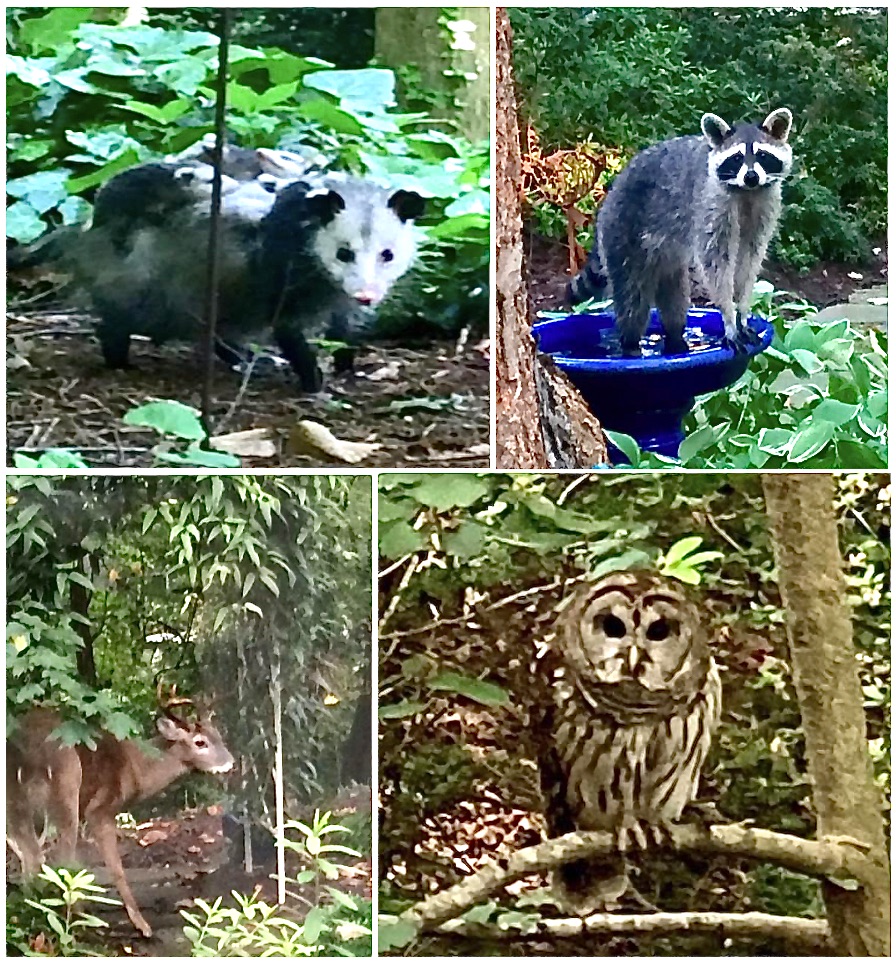
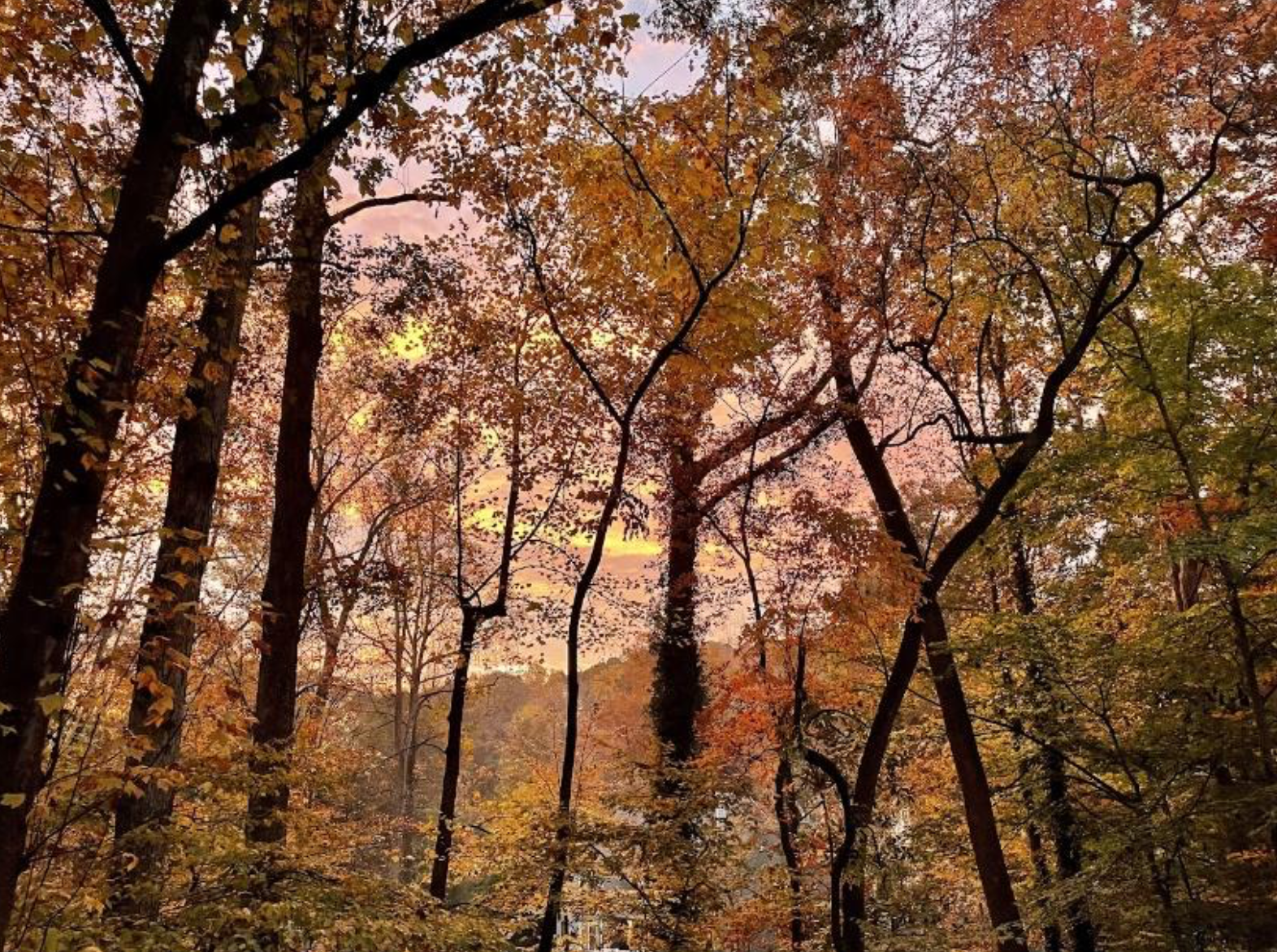
Also, it has been interesting to note how my view on several things is so very different now versus the early years on our property. For example, I would bemoan the mess of falling leaves in the Autumn, the way Beech trees would drop their leaves in the spring after I had made everything tidy with fresh mulch or pine straw, the pesky raccoons digging in my potted plants and the deer munching on pansies. Now, the Beech trees are among my favorite, I savor the Fall season’s color and time for reflecting on the wisdom of Mother Nature and I have come to love the raccoons, for just being who they are. With the passing of time, the desire to preserve and conserve what we have has grown.
 This led us to the pursuit of a conservation easement to provide permanent protection of this remnant old growth forest in the middle of the City. The Conservation values that we identified include:
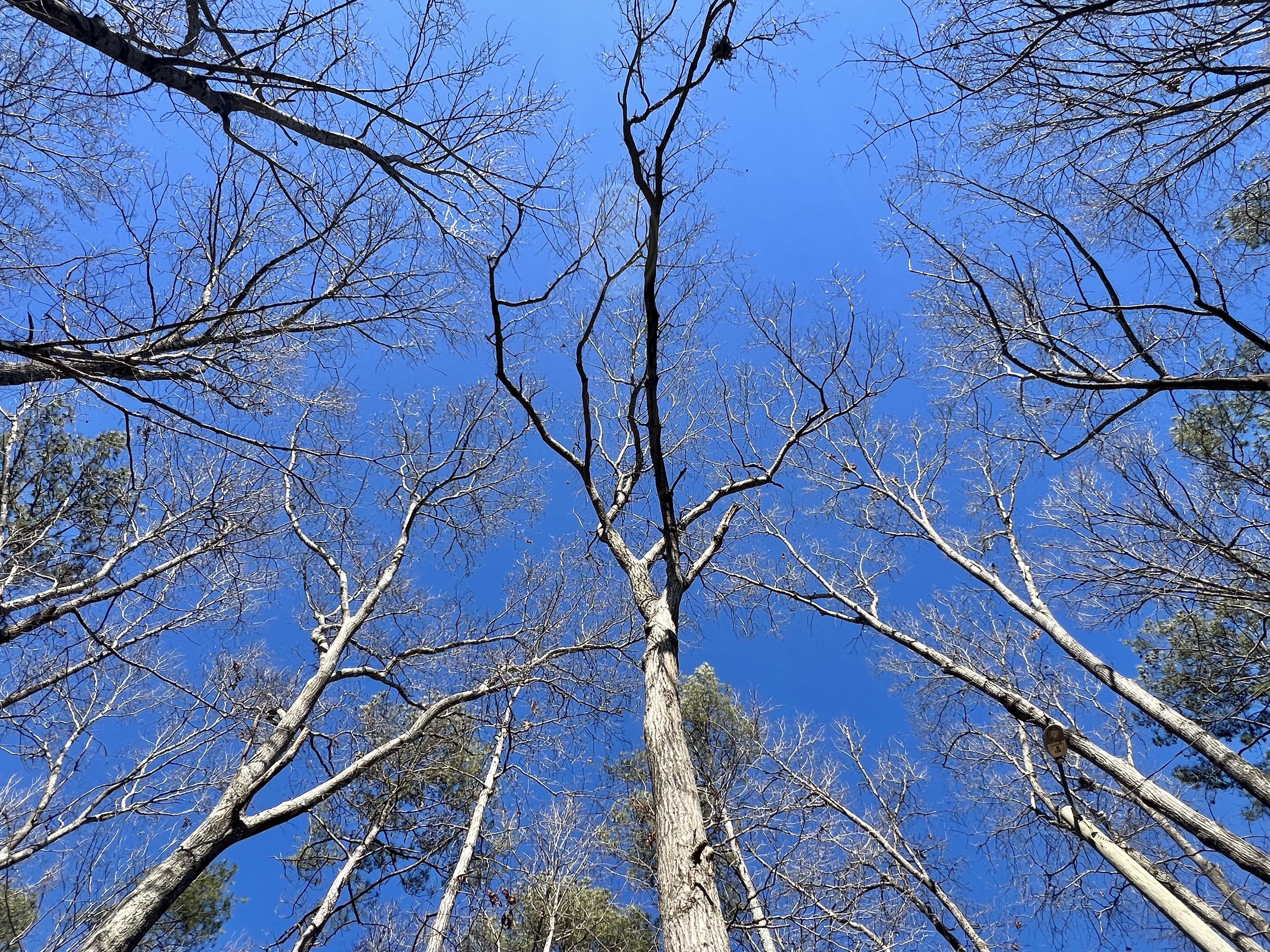
1) Protection of older, diverse trees (130-150 years old)
2) Protection of undisturbed soils
3) Protection of indicator species that are a legacy of the remnant old growth forest
4) Protection of wildlife habitat
5) Protection of the irreplaceable “green lungs of Atlanta” (City Design Plan and ATL Tree Ordinance)
The most recent motivating factor is our desire to protect our forest in the conspicuous tree removal in our immediate vicinity for residential development (knocking down original cottages to build much larger homes). A conservation easement, recorded on September 3, 2025, is our contribution to help Atlanta retain high quality native forest within the City, and to ensure its character of “City in the Forest” lives on. Knowing that we will one day leave our forest, I believe we can now do so in peace.

~ Bill and Elizabeth Higginbotham
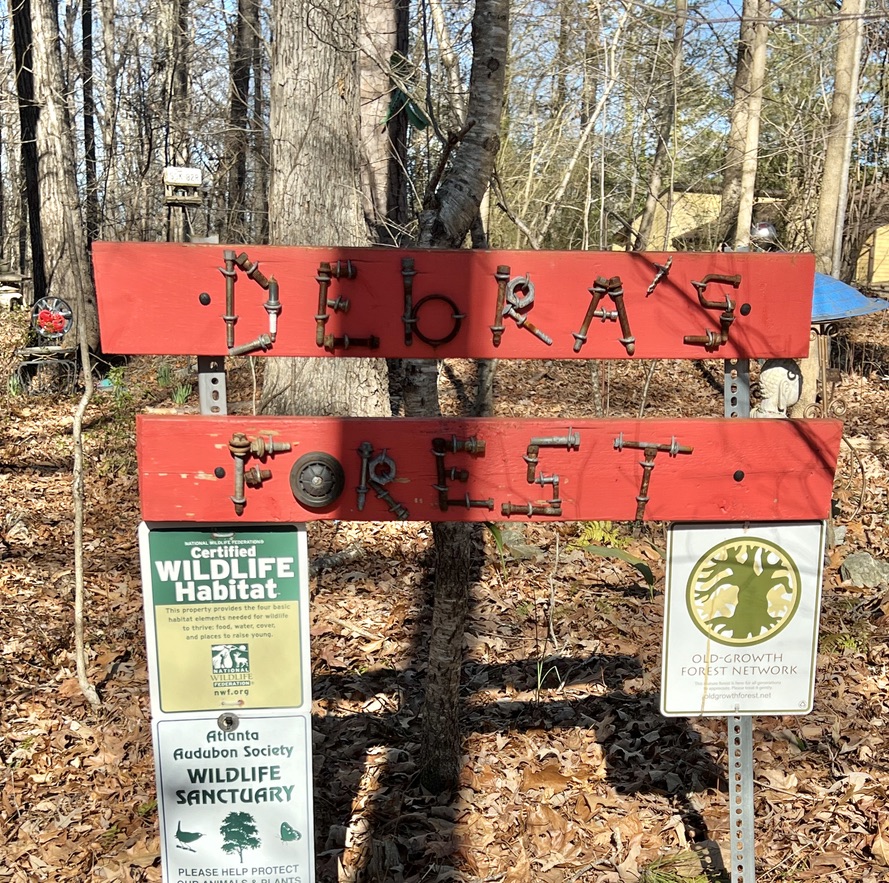
Georgia Audubon and National Wildlife Federation have certified our property as wildlife habitat/sanctuary. The property is currently listed as a private forest on the Old Growth Forest Network. www.oldgrowthforest.net
Above photos: Courtesy Bill and Elizabeth Higginbotham
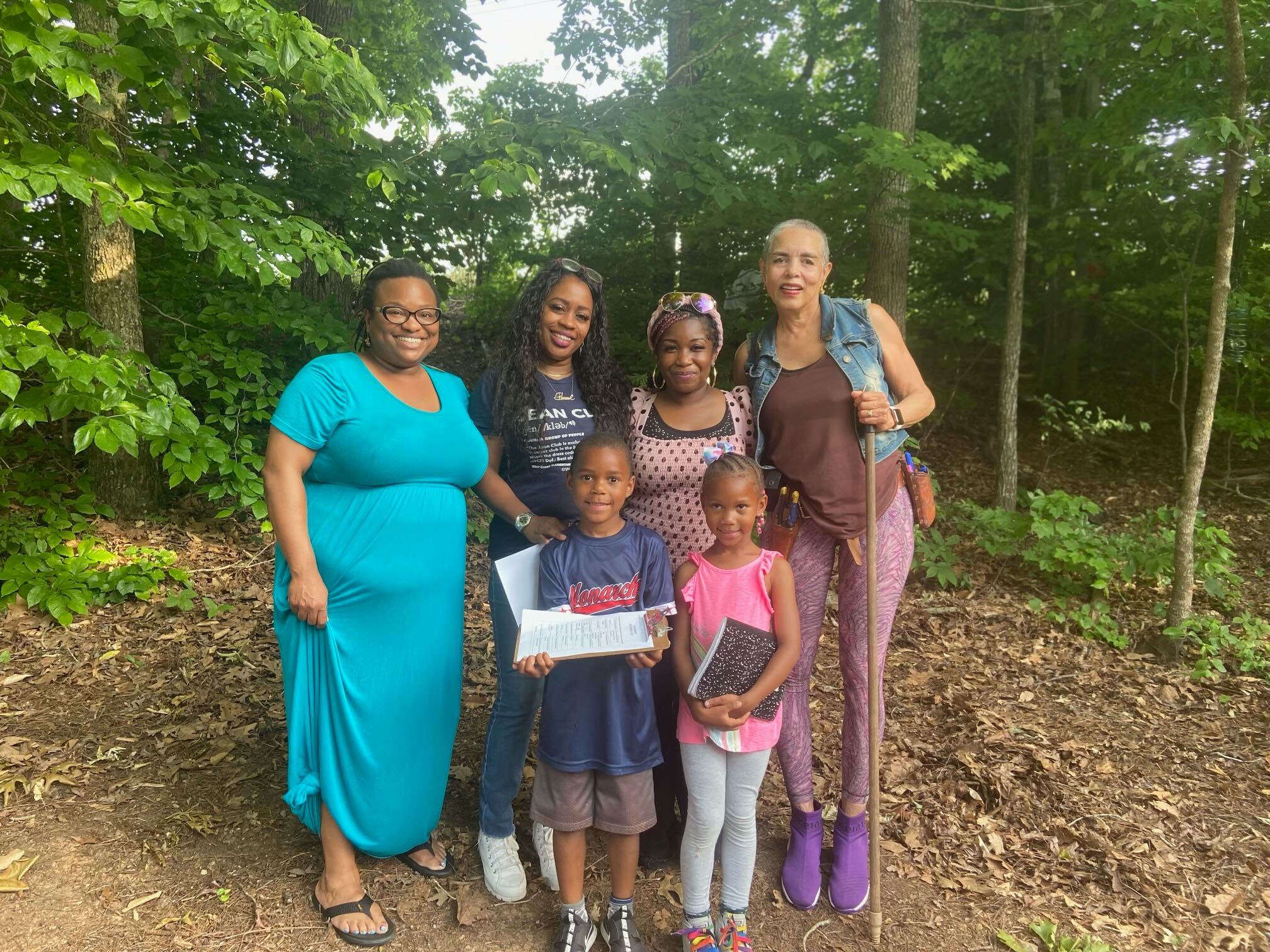
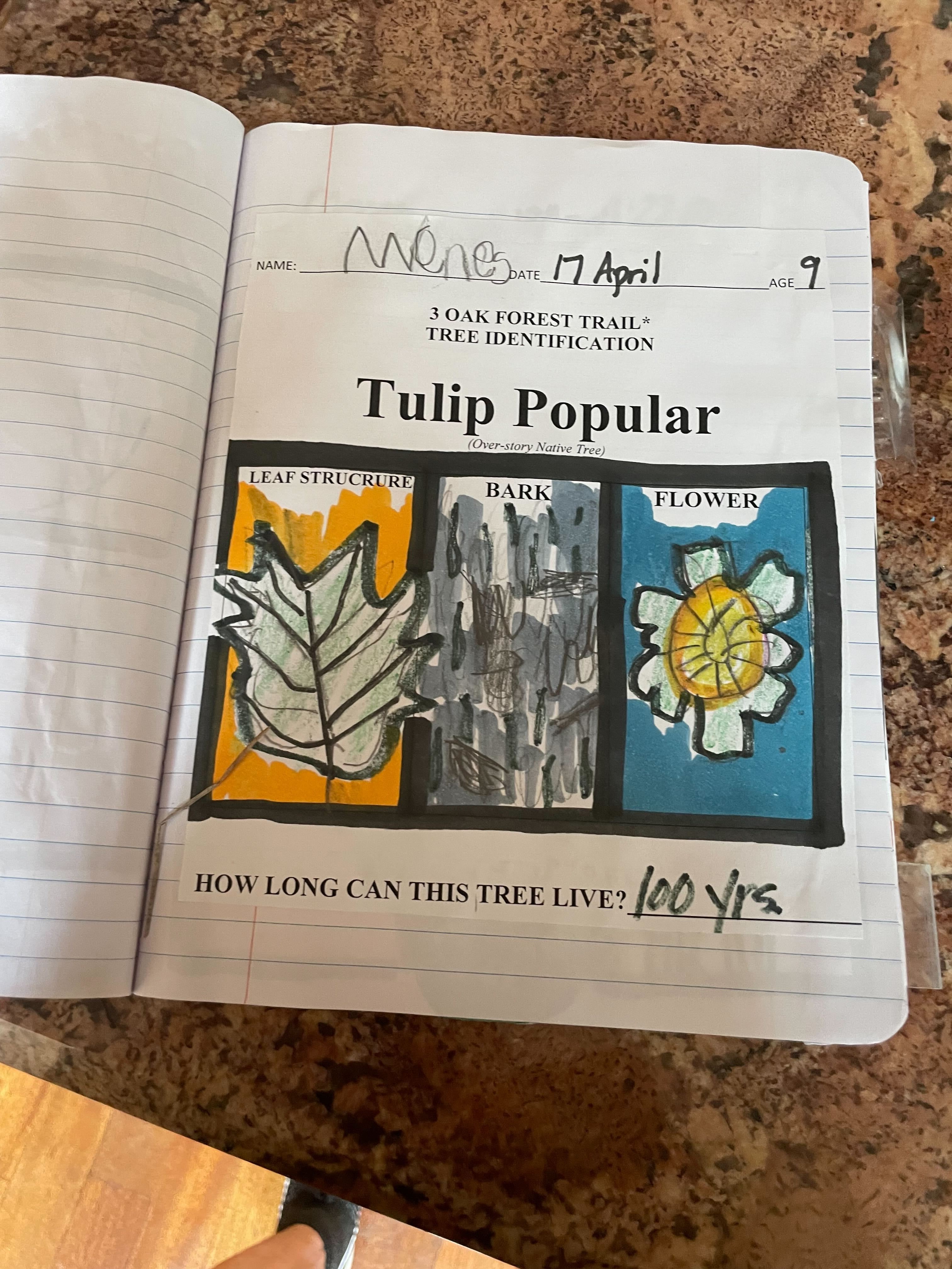
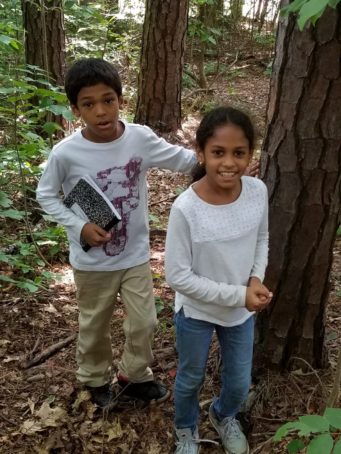
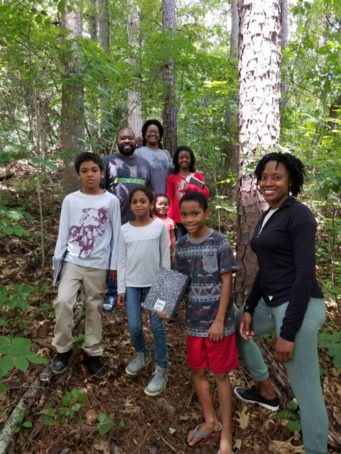
 On day one, I invited the children to walk with me into the forest to further investigate. To my great delight, many indicator plants were present: Solomon Seal, Horse Balm. Wild Ginger, Lion’s Foot, Solomon Plume, and then I beheld…as Eco A director, Kathryn Kolb informed, the ‘smoking gun’ of an old growth forest remnant, the three-leaf indicator plant named Trillium. I startled the children when I screamed with delight upon finding it! And that’s when the teaching idea was hatched. I decided that being a nanny for the children had a much larger purpose. I would educate the young ones about the glorious old growth forest remnant that existed in their backyard.
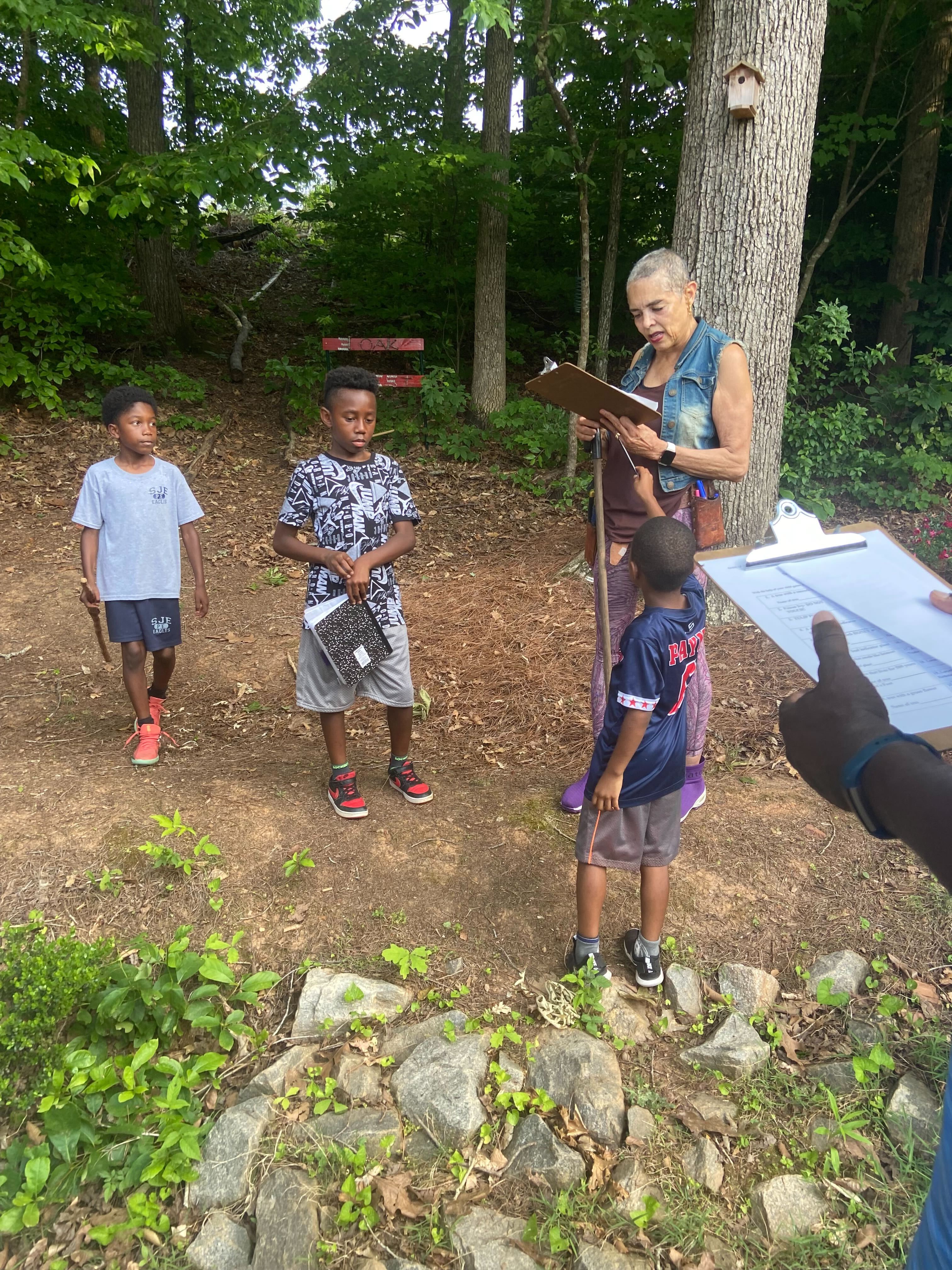
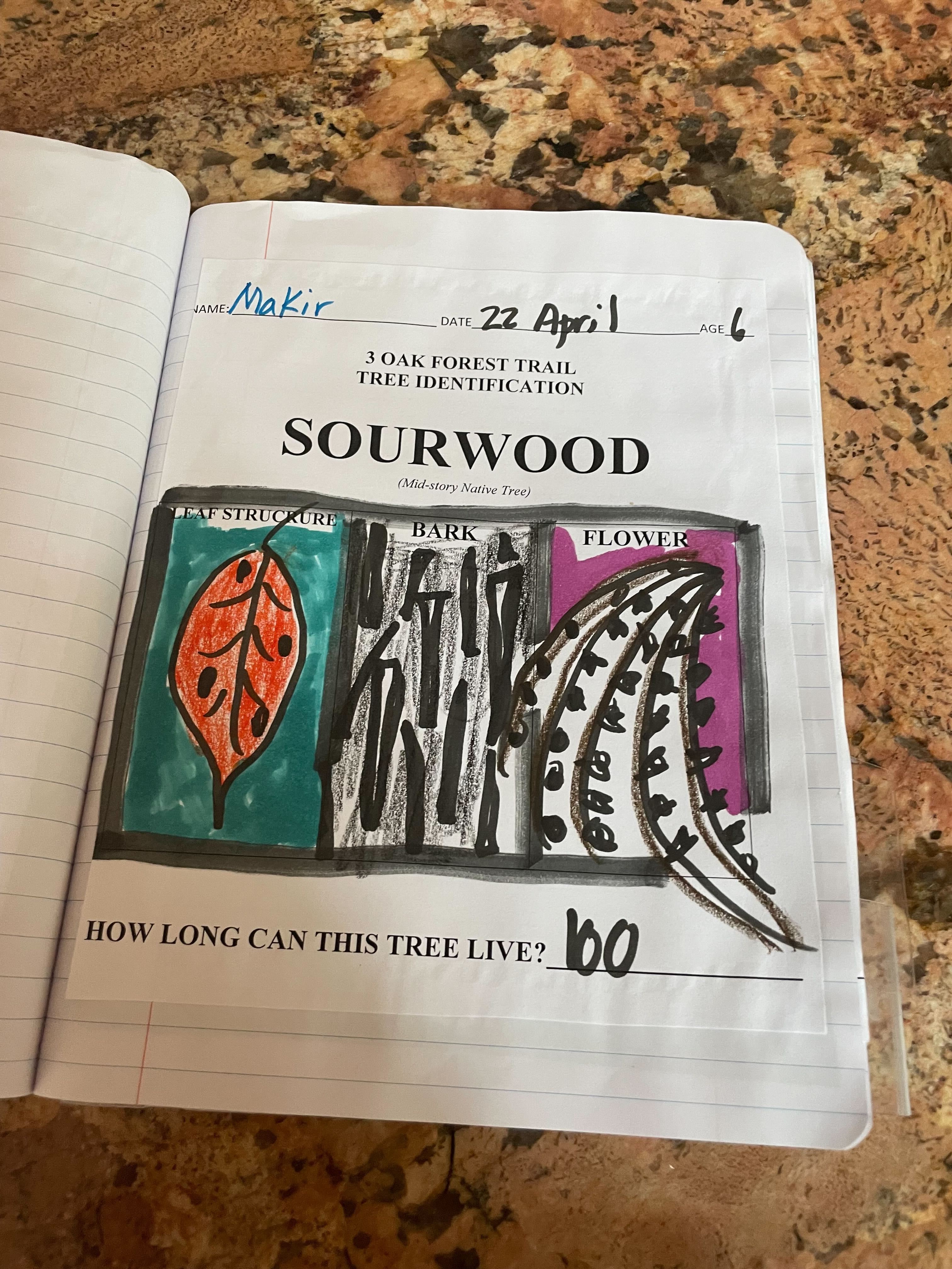 The first task that I gave the children was that of trail builders. The children and I collected felled branches and limbs and created a narrow series of trails that interlocked around and throughout the forest. It took a couple of days to complete, but the children were super excited because for the first time, they had access to their backyard and could run and play in it. I encouraged the children to walk the trails each day, and almost immediately the trail had the crushed leaf markings of repeated human footsteps. The trail building worked around the existing plants. I used each trail detour as a teaching moment: “Nope, the trail can’t continue this way; there’s Horse Balm growing here” or “There’s Wild Ginger there.” “Yes, the trail must go this way because a patch of Solomon Seal is growing a few footsteps away.” It was truly a rush to see the children’s enthusiasm and the extent to which they could remember and identify each plant species. They all adopted and fiercely protected the one Trillium forest resident, reminding each other to “be careful” as they ran through the trail where it lived.
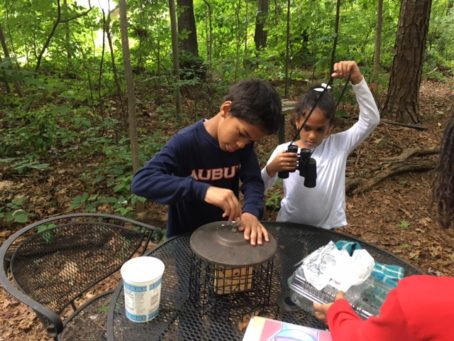
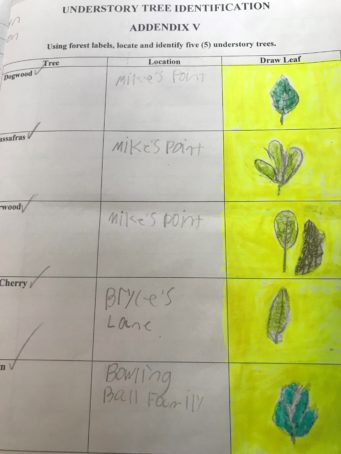
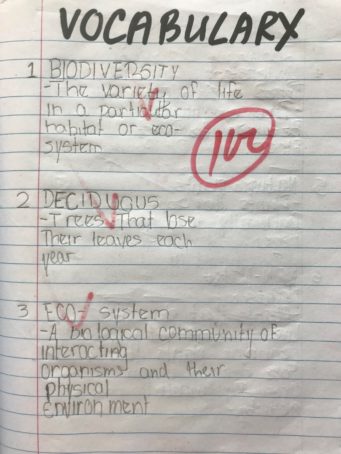
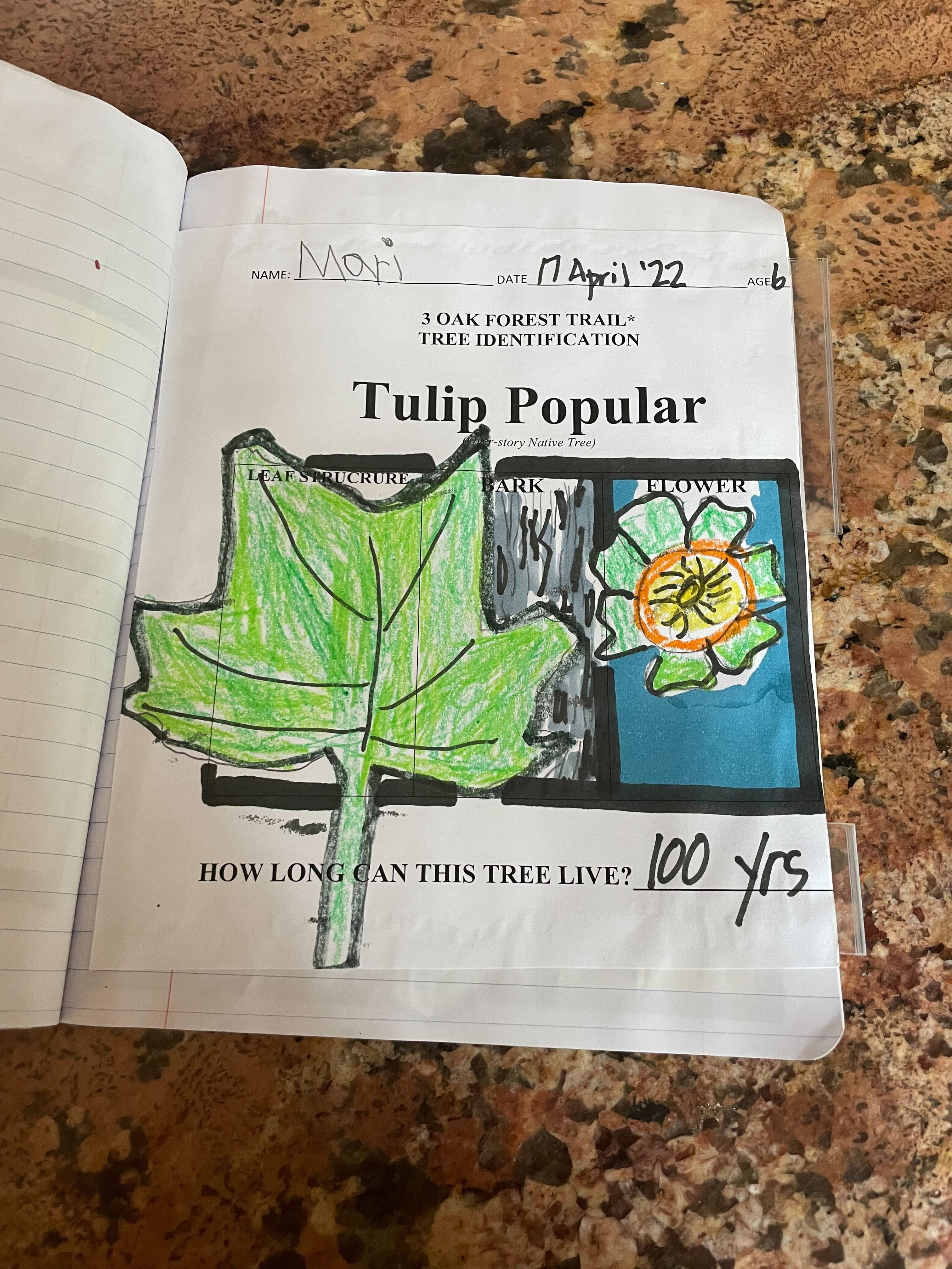
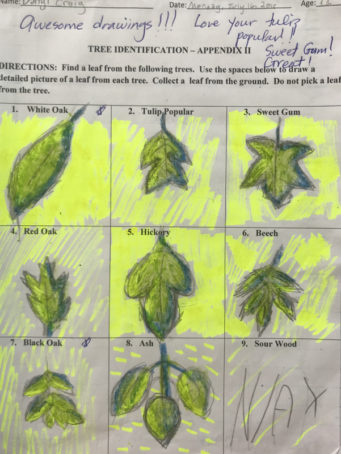
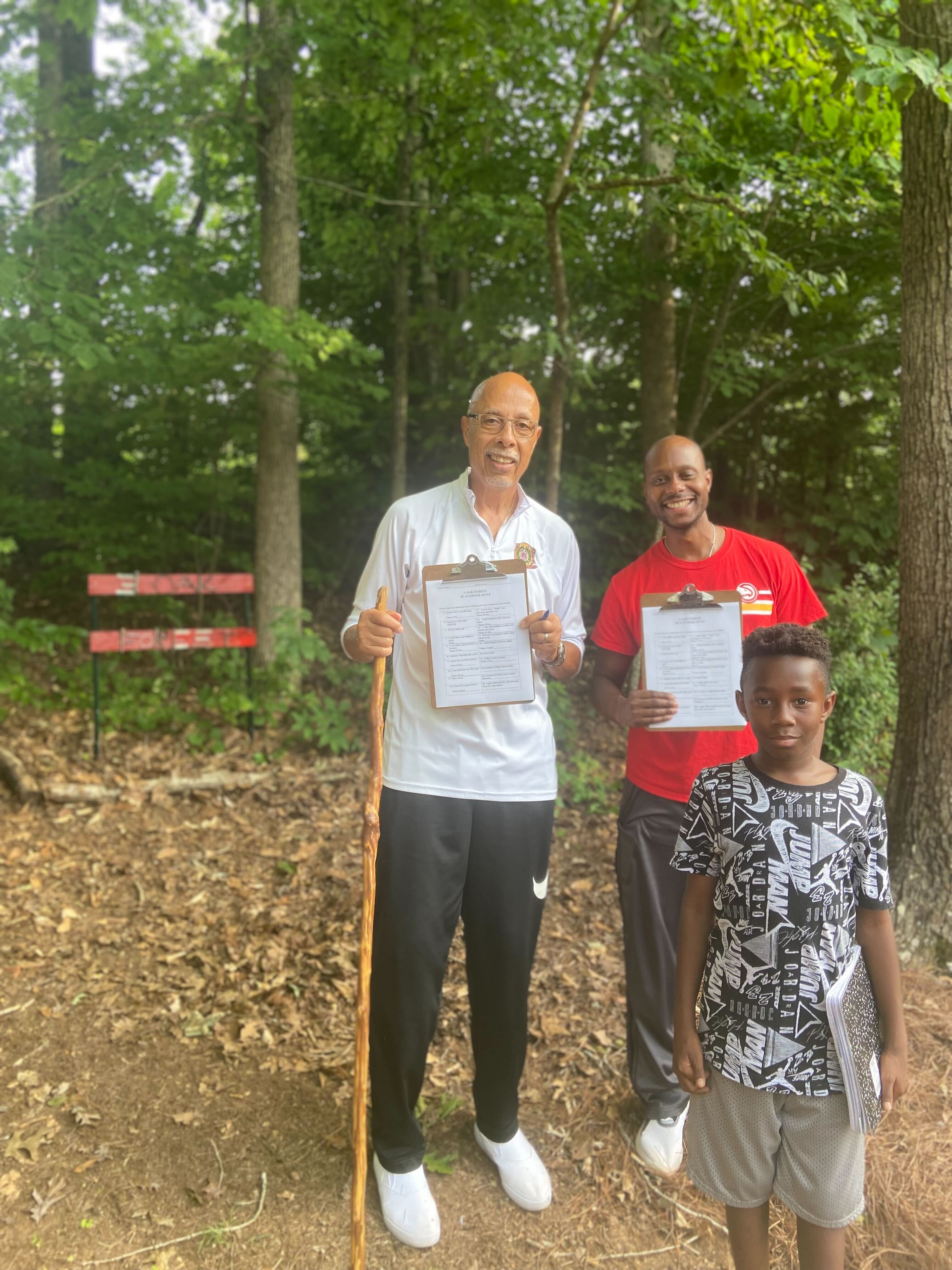 Each day the children focused on a different tree or plant in their biodiverse backyard classroom. By the end of the third week each child had identified, drawn, and colored the leaf, bark, flower or fruit samples of almost a dozen native trees. Also, they logged into their notebooks the shapes of ten indicator plants that grew in the forest. And from there…the curriculum morphed. In a forest context the children wrote Haiku poems, learned sentence patterns, developed a vocabulary list, and wrote and shared stories.
 My nanny/forest teaching experience fed my need to educate. However, over the course of four weeks, teacher and students became one and the same. The children are now the teachers of their outdoor classroom. It is my hope that their connection to the forest has been forever baked in the fire of their experiences, and that they become stewards who will nurture and protect the forest forever.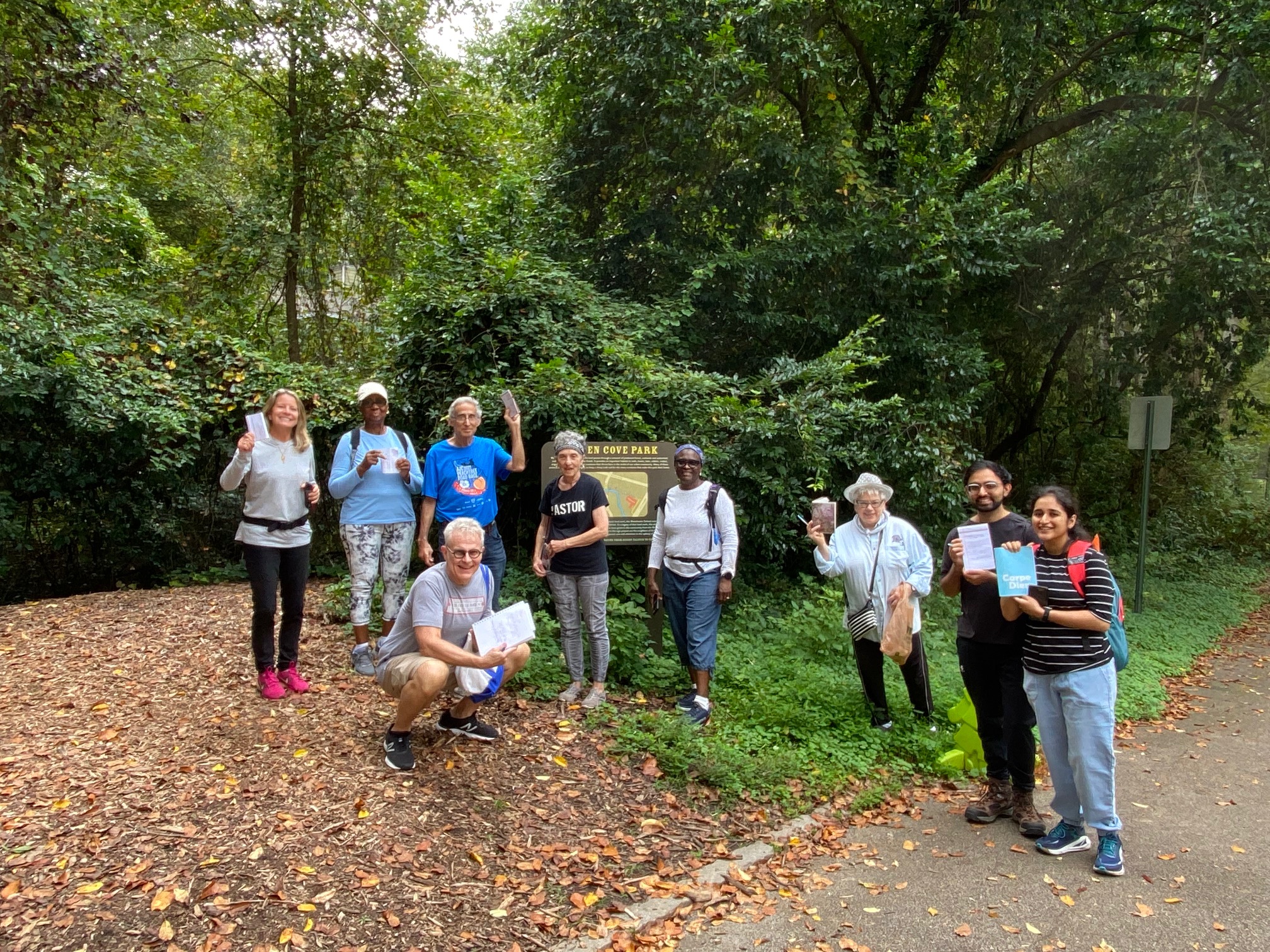
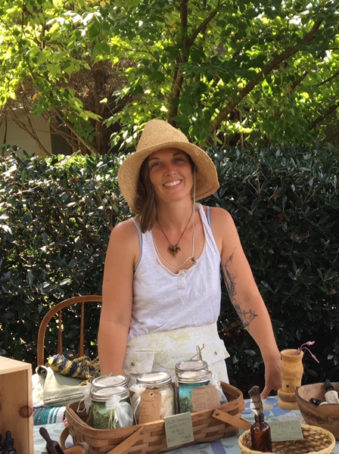
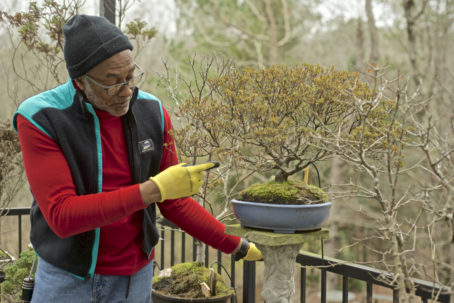 It seemed a no-brainer to major in human biology in college, after a thoroughly exciting and fun experience in high school exploring natural science courses. Going on to study medicine felt the proper course for things, as well as pursuing a career that involves continuous learning about things that affect our lives.
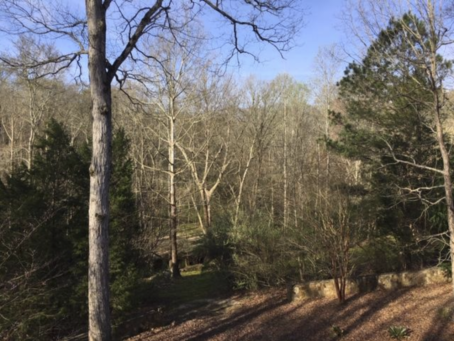 When I first walked the lot, it was mid-afternoon on a sunny summer day, sunlight was filtering through the tree canopy, and within minutes, as the property owner, the builder, and I cut a path with machetes through the thick undergrowth that began right at the roadside, I knew this was the place for my sanctuary – a feeling of serenity engulfed me, and the vision for this place was spawned.
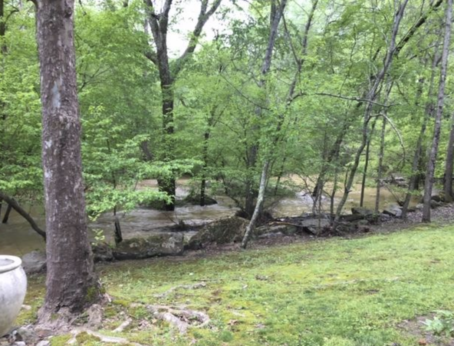 The first time I waded across the creek (
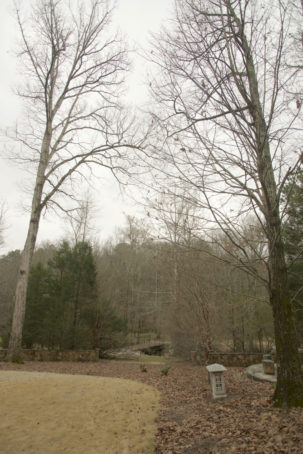 Natural stone benches were installed in key locations along the walking path. The benches allow expansive views of the forest, resting places for weary hikers, and feeding pedestals for squirrels and other animals to enjoy. The views from these locations are all so different at various times of day and as the seasons morph from spring to summer, fall, and winter. The Nature Walk is well-established now after my use for some years and use by animals (who love it), along with yearly seasonal droppings from the trees, which has created abundant bedding on the walking path.
 Since my forest “tragedy,”